

Mason Hedging Services
Choose our hedging services for precision shaping, healthy growth, and a beautiful landscape that enhances your property's curb appeal year-round.
Get a Free QuoteOur Mason Landscaping & Yard Care Services
When to Schedule Hedging in Mason, Ohio – Seasonal Guide
In Mason, Ohio, timing your hedging services is crucial for maintaining healthy, attractive landscapes throughout the year. The region’s climate features cold winters with late spring frosts and humid summers, making early spring and late summer the most effective periods for hedging. Scheduling your service after the last frost—typically in mid-April—ensures new growth isn’t damaged, while a second trim in late August helps maintain shape before autumn sets in. Neighborhoods like Heritage Club and the areas surrounding Pine Hill Lakes Park often experience microclimates due to shade coverage and proximity to water, which can influence the best timing for each property.
Local environmental factors such as Mason’s clay-heavy soils, variable precipitation, and occasional drought risk also play a role in determining optimal hedging schedules. Homeowners near Landen Deerfield Park or along Mason-Montgomery Road may notice that shaded lots require different timing than those exposed to full sun. For more information on local climate patterns and municipal guidelines, visit the official city resource.
Local Factors to Consider for Hedging in Mason
- Tree density and shade coverage in your neighborhood
- Soil type (clay-heavy soils common in Mason)
- Average precipitation and drought risk
- Proximity to landmarks like Pine Hill Lakes Park
- Municipal restrictions or community association guidelines
- Terrain and slope of your property
- Frost dates and seasonal temperature swings
Benefits of Hedging in Mason
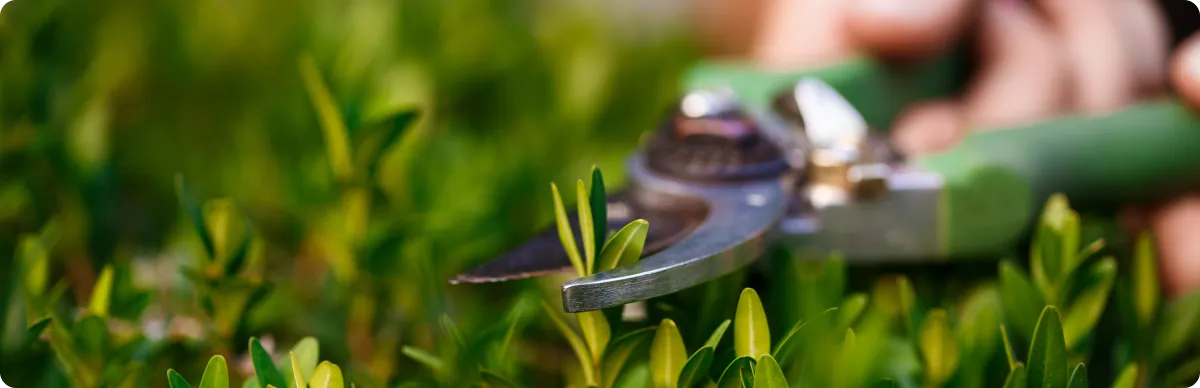
Enhanced Curb Appeal
Improved Property Value
Professional Hedge Shaping
Seasonal Maintenance Expertise
Pest and Disease Prevention
Eco-Friendly Landscaping Solutions
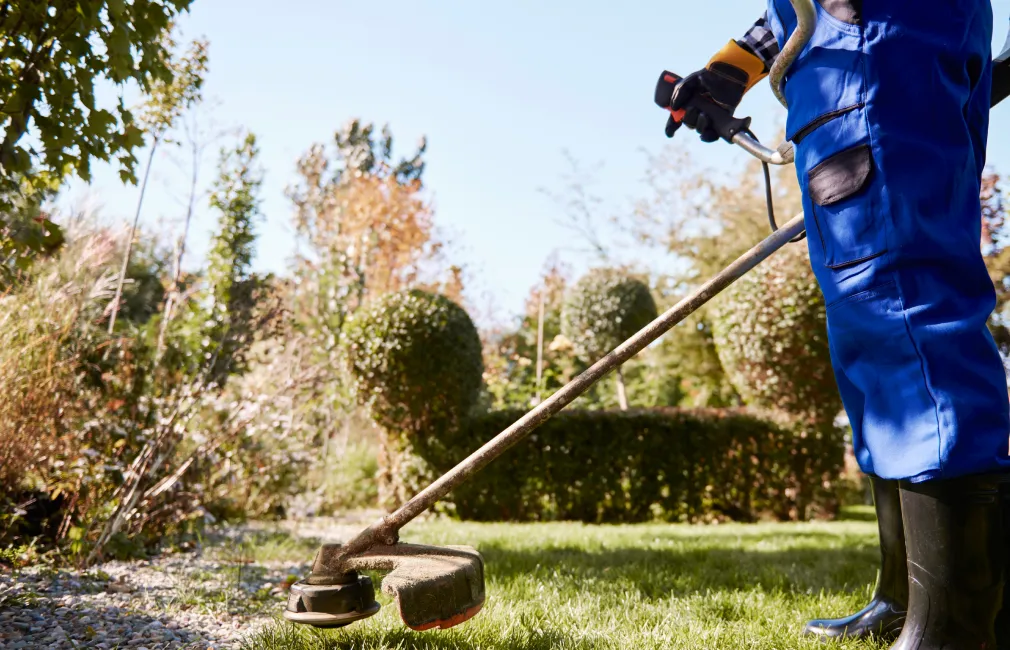
Mason Hedging Types

Boxwood Hedges
-
Privet Hedges
-
Yew Hedges
-
Laurel Hedges
-
Holly Hedges
-
Hornbeam Hedges
-
Beech Hedges
Our Hedging Process
Consultation
Site Preparation
Precision Trimming
Cleanup
Why Choose Mason Landscape Services

-
Mason Homeowners Trust Us
-
Expert Lawn Maintenance
-
Competitive Pricing
-
Professional Team
-
Satisfaction Guarantee
-
Personalized Service
-
Reliable Scheduling
Mason’s Municipal Hedging Ordinances and Permit Requirements
Hedging activities in Mason are governed by specific municipal ordinances to ensure public safety, property line clarity, and neighborhood aesthetics. According to city code, hedge height is limited to 6 feet in front yards and 8 feet in side or rear yards, with a required setback of 2 feet from sidewalks and property lines. Permits are mandatory for new hedge installations exceeding 20 linear feet or for removal of established hedges adjacent to public rights-of-way. Permit applications must be submitted to the Engineering, Building and Planning Department, with a standard review period of 7-10 business days and a $50 application fee. Equipment operation for hedge trimming is permitted:
- Monday-Friday: 7:00 AM - 7:00 PM
- Saturday: 8:00 AM - 6:00 PM
- Sunday and holidays: Prohibited
City of Mason Engineering, Building and Planning
6000 Mason-Montgomery Road, Mason, OH 45040
Phone: (513) 229-8520
Official Website: City of Mason Engineering, Building and Planning
Soil Series and Drainage Considerations for Hedging in Mason
Mason’s predominant soils, including Miamian silt loam and Kokomo silty clay loam, present unique challenges for hedge establishment and maintenance. These soils are moderately well-drained to poorly drained, with seasonal water tables at 18-24 inches and pH levels typically ranging from 6.0 to 6.8. For optimal hedge health, it is recommended to:
- Amend planting sites with 2-3 inches of compost tilled to a 6-inch depth
- Conduct soil testing through OSU Extension (typical cost: $15-25)
- Apply lime if pH falls below 6.0
- Select species tolerant of periodic wetness, such as inkberry holly (Ilex glabra) or arrowwood viburnum (Viburnum dentatum) Research local soil characteristics using the USDA Web Soil Survey for site-specific recommendations.
Environmental Compliance: Stormwater, Wetlands, and Buffer Zones in Mason
Hedging near Mason’s wetlands, streams, and stormwater infrastructure requires strict adherence to local and state environmental regulations. The Ohio Environmental Protection Act and Mason’s MS4 permit prohibit placement of hedge clippings or soil in storm drains and require a 25-foot no-disturbance buffer from delineated wetlands. Fertilizer and pesticide applications are restricted within 50 feet of water bodies to prevent runoff. All debris must be collected and disposed of according to city guidelines. For properties adjacent to conservation areas or city parks, additional review by the Environmental Commission may be required.
Warren County Environmental Health
416 S. East Street, Lebanon, OH 45036
Phone: (513) 695-1220
Official Website: Warren County Environmental Health
Seasonal Timing and Weather Guidance for Hedge Maintenance in Mason
Mason’s USDA Hardiness Zone 6a climate and variable spring rainfall require careful scheduling of hedging activities. Optimal pruning and planting windows are:
- Spring: March 15 – May 15 (soil temp 50-65°F)
- Fall: September 1 – October 15 (before first frost, typically late October) Avoid heavy pruning during June-August due to heat stress and potential drought. Monitor local weather forecasts through the National Weather Service Wilmington Office for rainfall and frost advisories. For best results, irrigate newly planted hedges with 1 inch of water per week during establishment and mulch with 2-3 inches of organic material to conserve soil moisture.
Professional Standards and Safety Protocols for Hedging Operations in Mason
All hedging work in Mason must comply with city safety ordinances and professional best practices. Operators are required to use commercial-grade trimmers equipped with functional mufflers, and all personnel must wear:
- Eye protection: ANSI Z87.1 safety glasses
- Hearing protection: Earmuffs or plugs for 85+ dB noise
- Footwear: Steel-toed boots with non-slip soles Maintain a 15-foot clearance from overhead utilities and public sidewalks during operation. Equipment must be serviced every 20-25 hours of use, with blades sharpened to manufacturer specifications. For work near public roads or parks, advance warning signs and safety cones are mandatory. The Department of Public Works provides additional guidance on traffic control and public safety.
City of Mason Department of Public Works
6000 Mason-Montgomery Road, Mason, OH 45040
Phone: (513) 229-8580
Official Website: City of Mason Street Maintenance
What Neighborhoods Do We Serve Throughout Mason, OH?
- Heritage Club: Features large lots with mature landscaping and heavy clay soils, requiring careful drainage management and compliance with HOA hedge height restrictions.
- Arbor Creek: Newer development with compacted fill soils and smaller lot sizes, necessitating species selection tolerant of urban soil conditions and close property lines.
- Crooked Tree Preserve: Adjacent to conservation areas and wetlands, subject to 25-foot buffer requirements and additional review for environmental compliance.
- Mason Heights: Older neighborhood with established hedges, narrow streets, and overhead utilities, presenting access and safety challenges for equipment operation.
- Ambleside Meadows: Located near city parks and stormwater basins, requiring coordination with municipal guidelines for debris disposal and buffer zone maintenance.
- Foxfield: Characterized by sloped lots and periodic drainage issues, demanding erosion control measures and careful plant selection for stability.
- Greenbriar: Proximity to public rights-of-way and sidewalks necessitates strict adherence to setback and height ordinances for all hedging activities.