
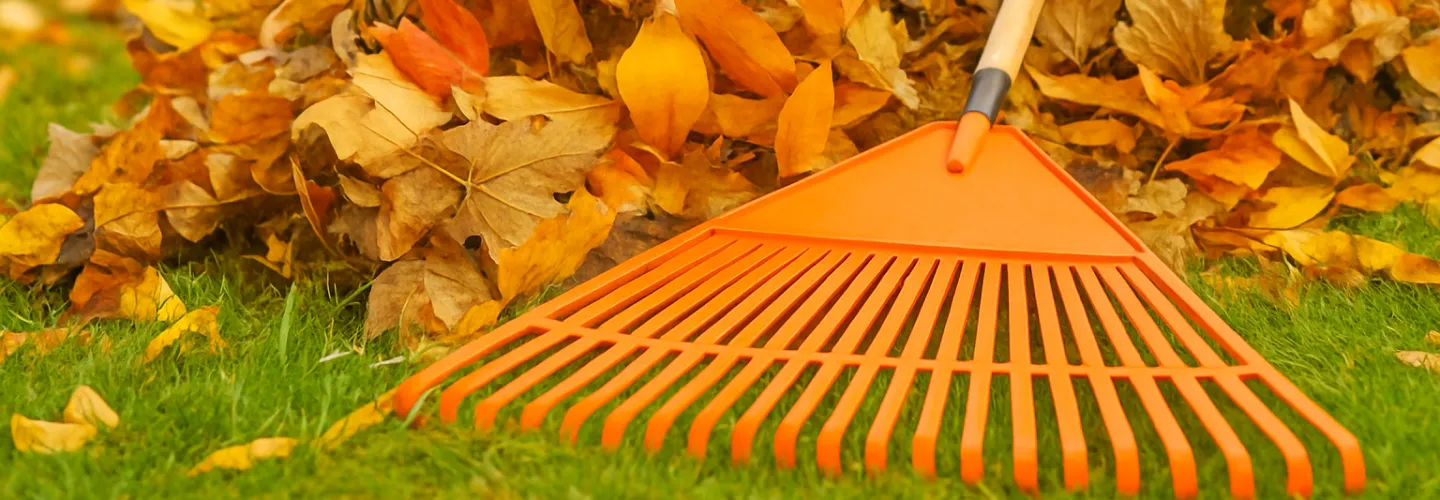
Mason Dethatching Lawn Services
Choose our dethatching lawn service for a healthier, greener yard—our experienced team removes built-up thatch to promote stronger roots, better water absorption, and a lush, vibrant lawn you’ll love.
Get a Free QuoteOur Mason Landscaping & Yard Care Services
When to Schedule Dethatching Lawn in Mason, Ohio – Seasonal Guide
In Mason, Ohio, the best time to schedule lawn dethatching is typically in early spring or early fall, when cool-season grasses like Kentucky bluegrass and fescue are actively growing. These periods allow your lawn to recover quickly from the dethatching process, taking advantage of moderate temperatures and consistent rainfall. Local neighborhoods such as Heritage Club and Crooked Tree benefit from dethatching after the last frost date in late March or early April, or again in September before the first autumn frost.
Mason’s climate features humid summers, occasional drought risk, and a mix of shaded and sun-exposed lawns, especially near Pine Hill Lakes Park and along the Little Miami Scenic Trail. Soil compaction from clay-heavy soils, common in the area, can also impact the timing and frequency of dethatching. For more information on local environmental considerations, visit the Sudbury municipal resource.
Local Factors to Consider for Dethatching Lawn in Mason
- Tree density and shade coverage, especially in established neighborhoods
- Soil type and compaction, with clay soils requiring more frequent attention
- Recent precipitation patterns and drought risk
- Terrain slope and drainage, particularly near water features
- Municipal restrictions or guidelines on lawn care practices
Benefits of Dethatching Lawn in Mason

Improved Lawn Health
Enhanced Grass Growth
Better Water Absorption
Increased Nutrient Uptake
Reduced Pest and Disease Risk
Boosted Curb Appeal
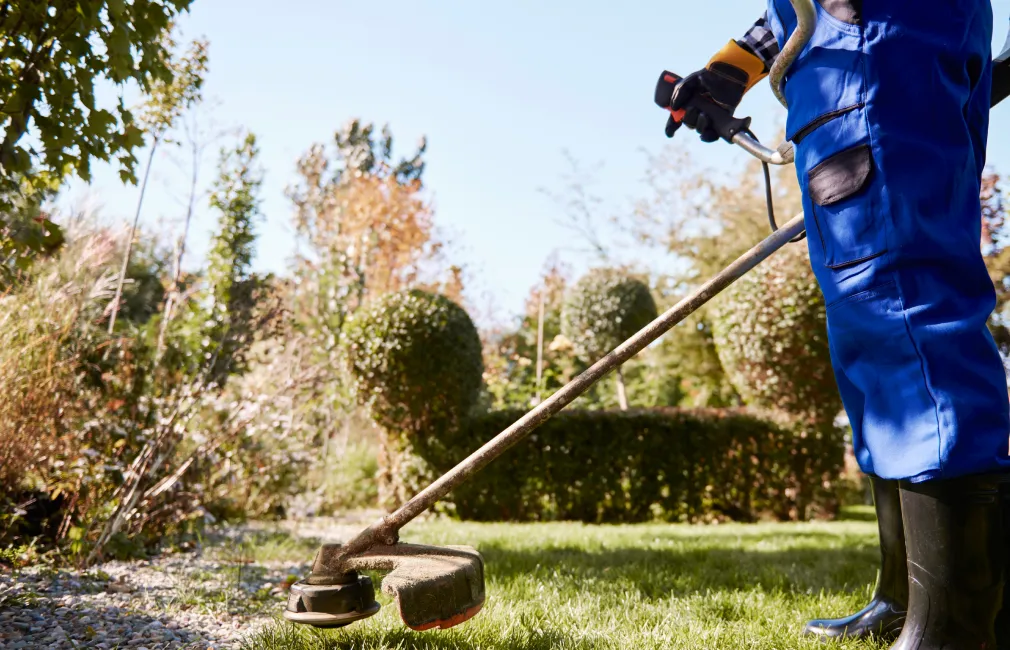
Mason Dethatching Lawn Types

Cool-Season Grasses
-
Warm-Season Grasses
-
Fescue Lawns
-
Bluegrass Lawns
-
Bermuda Grass Lawns
-
Zoysia Grass Lawns
-
Ryegrass Lawns
Our Dethatching Lawn Process
Lawn Evaluation
Preparation and Marking
Dethatching Execution
Cleanup and Disposal
Post-Dethatching Inspection
Why Choose Mason Landscape Services

-
Mason Homeowners Trust Us
-
Expert Lawn Maintenance
-
Competitive Pricing
-
Professional Team
-
Satisfaction Guarantee
-
Personalized Service
-
Reliable Scheduling
Mason’s Predominant Soil Series and Dethatching Best Practices
Dethatching in Mason, OH requires careful consideration of the city’s dominant soil types, which include Miamian silt loam and Kokomo silty clay loam, as identified by the USDA Web Soil Survey. These soils are moderately to poorly drained, with pH levels typically ranging from 6.0 to 6.8, and are prone to compaction in developed neighborhoods. For effective dethatching, core aeration to a depth of 2-3 inches is recommended, especially in areas with heavy clay content. Soil testing through OSU Extension is advised prior to dethatching to determine organic matter and compaction levels. Key best practices include:
- Dethatch when soil moisture is moderate (not saturated)
- Use vertical mowers set to remove 0.5 inch of thatch
- Avoid dethatching during drought or when soil is frozen
- Schedule dethatching every 2-3 years for lawns with visible thatch over 0.5 inch
Seasonal Timing and Weather Considerations for Dethatching in Mason
Mason is located in USDA Hardiness Zone 6a, with average last frost dates in late April and first frost in late October. The optimal window for dethatching cool-season grasses such as Kentucky bluegrass and perennial ryegrass is mid-April to early May, when soil temperatures reach 50-55°F and turf is actively growing. Fall dethatching may be performed from September 1 to October 15, but should be completed at least four weeks before the first expected frost. Residents are encouraged to monitor local forecasts through the National Weather Service Wilmington Office to avoid scheduling dethatching during heavy rain or heat stress periods. Timing guidelines:
- Spring: April 15 – May 10 (soil temp 50-65°F)
- Fall: September 1 – October 15 (avoid after first frost)
- Avoid: June-August (heat stress), November-March (dormancy)
Municipal Yard Waste Collection and Dethatching Debris Disposal in Mason
Proper disposal of dethatching debris is regulated by Mason’s municipal yard waste program. Collection occurs weekly on Thursdays from April through November. Residents must use biodegradable paper bags or reusable bins (32-gallon maximum) for thatch and grass clippings; plastic bags and branches over 4 inches in diameter are prohibited. Debris should be placed curbside by 7:00 AM on collection day. For large volumes, the city recommends scheduling a special pickup through the Department of Public Works.
City of Mason Department of Public Works
6000 Mason-Montgomery Road, Mason, OH 45040
Phone: (513) 229-8580
Official Website: City of Mason Department of Public Works
Failure to comply with collection guidelines may result in citations under city ordinance. For additional information, consult the city’s yard waste program details.
Environmental Compliance: Stormwater, Wetlands, and Buffer Zones in Mason
Dethatching activities in Mason must comply with local and state environmental regulations to protect stormwater quality and sensitive areas. The city operates under an MS4 permit as required by the Clean Water Act and enforced by the Ohio Environmental Protection Agency. It is prohibited to deposit dethatching debris or clippings into storm drains, ditches, or within 25 feet of wetlands and streams. Buffer zones must be maintained around protected areas, including Pine Hill Lakes Park and the Little Miami River corridor. Key compliance steps:
- Maintain a 25-foot no-disturbance buffer from wetlands
- Do not dispose of debris in storm drains or waterways
- Follow MS4 permit requirements for yard waste management
- Report illegal dumping to the city or county environmental health office
Warren County Environmental Health
416 S. East Street, Lebanon, OH 45036
Phone: (513) 695-1220
Official Website: Warren County Environmental Health
Equipment Operation Hours and Safety Standards for Dethatching in Mason
Mason enforces municipal noise ordinances and equipment operation standards for all lawn care activities, including dethatching. Permitted hours for powered equipment are:
- Monday-Friday: 7:00 AM – 7:00 PM
- Saturday: 8:00 AM – 6:00 PM
- Sunday and holidays: Prohibited Operators must use commercial-grade dethatchers with functioning mufflers and maintain noise levels below 85 decibels at property lines. Personal protective equipment (PPE) is required, including ANSI Z87.1 safety glasses, hearing protection, and steel-toed boots. When working near public roads or sidewalks, high-visibility vests and safety cones are mandatory. For projects near city infrastructure, coordinate with the Engineering Department.
City of Mason Engineering, Building and Planning
6000 Mason-Montgomery Road, Mason, OH 45040
Phone: (513) 229-8520
Official Website: City of Mason Engineering, Building and Planning
What Neighborhoods Do We Serve Throughout Mason, OH?
- Heritage Club: Features large lots with mature trees and Miamian silt loam soils, requiring frequent dethatching due to heavy leaf litter and moderate drainage.
- Arbor Creek: Newer development with compacted fill soils and smaller lot sizes; dethatching is essential to address soil compaction and promote turf health.
- Crooked Tree Preserve: Adjacent to conservation areas and wetlands, necessitating strict buffer compliance and careful debris management to protect sensitive habitats.
- Mason Heights: Older neighborhood with established lawns and Kokomo silty clay loam, often experiencing thatch buildup and slow drainage after heavy rains.
- Foxfield: Located near city parks, with a mix of sun and shade conditions; dethatching schedules must account for variable turf density and tree canopy.
- Ambleside Meadows: Features HOA guidelines for lawn appearance and maintenance, requiring adherence to both city and association standards for dethatching timing and debris disposal.